Settling into Singapore: Housing tips for Aussie & Kiwi Expats
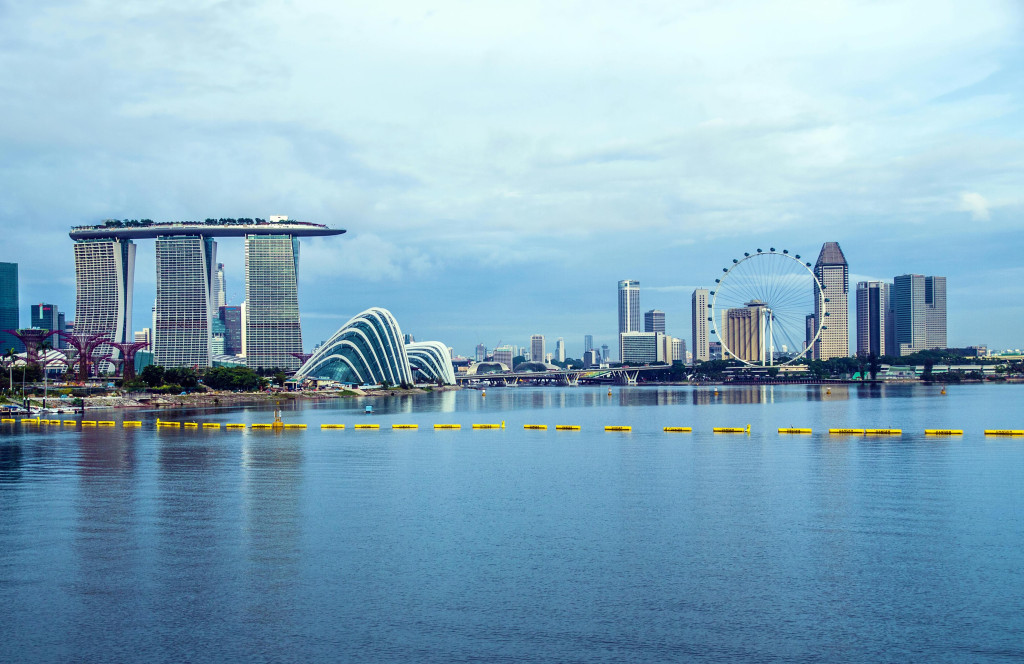
Moving to Singapore is an exciting step, but it can also feel a little overwhelming, especially when it comes to finding the right place to live. For Aussies and Kiwis, settling in often means balancing work, family life and staying active and social in a new environment. Fret not. With around 15,000 Aussies and Kiwis already calling Singapore home, you are far from alone in figuring out how to make the city feel familiar and comfortable.
Getting housing right plays a big part in how smoothly that transition goes. From choosing neighbourhoods that suit family life to finding areas close to sports facilities, green spaces and social hangouts, the right home can make everyday life much easier.
Here we will look at expat housing in Singapore and what Aussies and Kiwis usually go for. We will also highlight neighbourhoods like the East Coast that offer a good mix of convenience, community and outdoor living, helping you settle in with confidence and enjoy everything Singapore has to offer from day one.
Understanding Singapore’s Housing Market
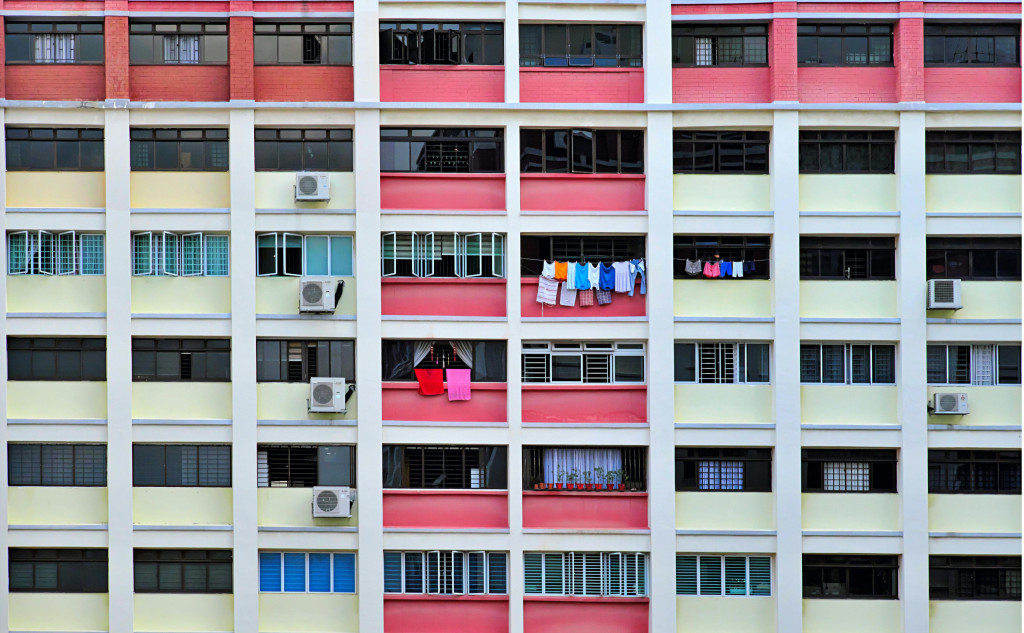
Understanding Singapore’s housing market is a lot easier once you know the basics. The city offers a wide range of homes, from public HDB flats to private condominiums and other luxurious, high-end developments. Most expats tend to focus on private condos because they come with facilities like pools, gyms and security, which make everyday life more comfortable, especially for families.
Location is a big deal, particularly if you have children. Many families look for homes near international schools such as the Australian International School or Tanglin Trust School to cut down on travel time. In popular expat neighbourhoods, three-bedroom rentals usually fall between $4,000 and $7,000 a month, based on data from PropertyGuru. Prices vary depending on how central the area is and how new the development is.
If you are thinking about buying, it is important to understand the rules. Foreigners face an Additional Buyer’s Stamp Duty of 60 per cent, while permanent residents enjoy a much lower rate of up to 5 per cent for their first home. Despite this, the market remains attractive. Prices grew by about 5 per cent in 2025, driven largely by expat demand, and rental yields sit around 3 to 4 per cent. Many long-term residents choose 99-year leasehold condos, which strike a good balance between affordability, location and lifestyle perks.
Family-Friendly Neighbourhoods
When it comes to family-friendly neighbourhoods, Singapore offers plenty of solid options, but some areas naturally stand out for expat families. The East Coast is a favourite for many Aussie and Kiwi families, thanks to its relaxed, beachside vibe that feels a bit like Bondi or Auckland’s coastal suburbs. Living near the sea means weekends are often spent cycling, picnicking or firing up the barbecues at East Coast Park, which really suits outdoor-loving families.
Education is another big draw, with well-regarded international schools like United World College of South East Asia nearby. Informal expat surveys suggest around 70 per cent of families prioritise being close to good schools, and the East Coast delivers on that front. While central districts offer convenience, the East Coast stands out for its larger homes, stronger community feel and slower pace. With new MRT lines coming online, commutes to the CBD are now around 20 minutes, making it even more appealing.
Other neighbourhoods also attract families for different reasons. Areas like Novena, River Valley and Orchard put you close to shopping, dining and major offices, which works well for parents with busy schedules. These central locations are lively and convenient, but families who value space, greenery and a neighbourhood atmosphere often find themselves gravitating back towards the East Coast.
Amenities That Matter to Expats
When choosing a place to live in Singapore, the right amenities can make a huge difference to how settled you feel, especially for Aussie and Kiwi expats. Condos with pools, gyms and plenty of green space are often top of the list. They help recreate that familiar backyard lifestyle, minus the lawn mowing, and are perfect for unwinding after work or keeping children active without leaving the estate.
Access to sports facilities is another big plus. Being close to football pitches, basketball courts or general recreational spaces makes it much easier to stay active and social. Healthcare is also a key consideration for many families. Living near established medical hubs like Parkway Hospitals offers real peace of mind, especially since healthcare costs in Singapore are often around 15 per cent lower than back home, without compromising on quality.
Everyday convenience matters too. Neighbourhoods with walkable cafés, supermarkets and dining spots tend to feel more liveable in the long run. Aussie-style cafés and places serving Kiwi wines can go a long way in easing homesickness. In fact, data suggests that about 60 per cent of expats prioritise walkable amenities, as this boosts overall wellbeing and makes day-to-day life easier in Singapore’s tropical climate.
Spotlight on Bayshore for Balanced Living
Bayshore is quickly shaping up as one of those rare neighbourhoods that truly balances work, family and downtime. Tucked along the East Coast, it offers a calm coastal atmosphere while still keeping you well connected to the rest of the city. Mornings can start with a walk by the sea, afternoons are easy with nearby parks and everyday amenities, and evenings feel relaxed rather than rushed. For expat families and professionals alike, that blend of nature and convenience is a big win.
What really sets Bayshore apart is how liveable it feels. You get the space and community vibe the East Coast is known for, without sacrificing accessibility. Improved transport links mean getting into the CBD or other key areas is straightforward, making it realistic to enjoy a quieter home base while staying plugged into city life. Schools, malls, dining spots and healthcare options are all within easy reach, which takes a lot of stress out of daily routines.
This strong foundation is also why there is growing excitement around new developments in the area. Carefully planned projects are starting to reshape Bayshore into a modern coastal neighbourhood, adding fresh housing options and lifestyle features without losing its laid-back charm. A notable example is Vela Bay, an upcoming new launch condo in the Bayshore Road area. This 99-year leasehold development features family-sized units, resort-style pools and views that evoke harbour serenity. You can visit the Vela Bay showflat for a real sense of the layouts and facilities.
Practical Steps for Securing Your Home
Securing a home in Singapore is fairly straightforward once you know the steps. Many expats start by tapping into expat networks or community groups for rental agent recommendations, which is often more reliable than searching cold. When budgeting, remember to factor in agent fees, which are usually one or two months’ rent, depending on the term of your tenancy agreement. If you are relocating from overseas, virtual tours are a lifesaver and can help narrow down your choices before you arrive. For buyers, it pays to engage a lawyer early, as the full process typically takes about 8 to 12 weeks from offer to completion.
There are also some practical living details to keep in mind. Singapore’s humidity is real, so air-conditioned units are almost a must for comfort. Compared to Australian markets, Singapore feels more predictable. Its stability is a sharp contrast to places like Sydney, and there is no capital gains tax on personal property sales, which is great for long-term planners.
Beyond the paperwork, housing plays a big role in community life. The right home makes it easier to host weekend barbecues, join local sports leagues and build real connections, turning a move into a true sense of belonging. Good luck, and all the best with your move.
Discover more about the property market in Singapore here