Understanding LUTS: The urinary symptoms men ignore
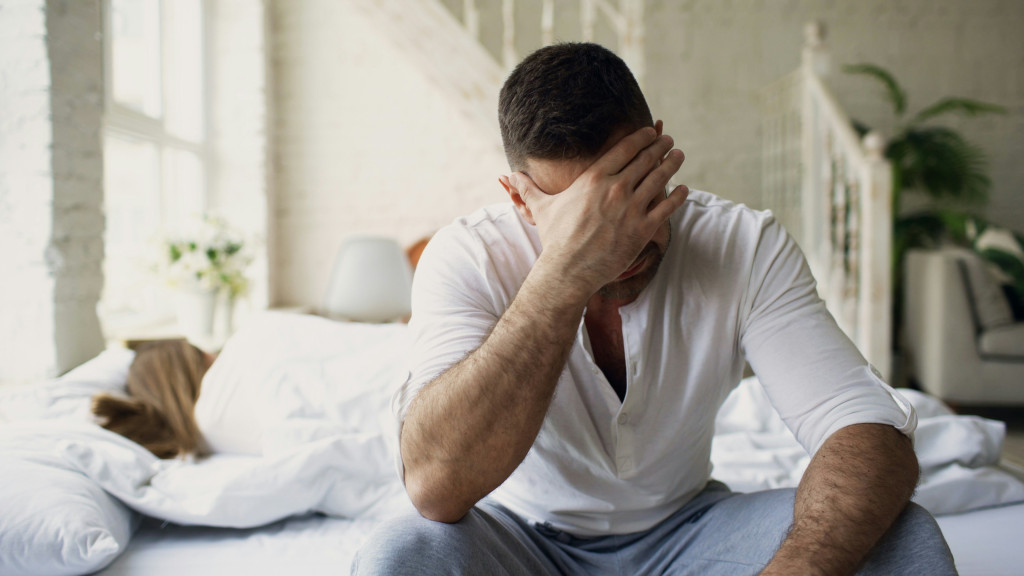
Lower urinary tract symptoms (LUTS) are far more common than most men realise – and far less talked about than they should be. Affecting around 50% of men over 50, LUTS is not a single condition but a collection of urinary symptoms that can significantly disrupt daily life, sleep, and overall wellbeing. Despite how common they are, many men delay seeking help, often assuming these changes are just a normal part of ageing. In reality, LUTS can often be managed effectively, especially when recognised early.
What Exactly Is LUTS?
LUTS refers to a group of symptoms involving the bladder and urinary flow. These are typically divided into three categories:
Storage symptoms
These occur while the bladder is filling:
- Frequent urination (more than eight times a day)
- Waking at night to urinate more than once
- Sudden, urgent need to go
- Accidental leakage
Voiding symptoms
These occur during urination:
- Difficulty starting the stream
- Weak or slow urine flow
- Straining to pass urine
Post-micturition symptoms
These occur after urination:
- A feeling that the bladder isn’t fully empty
- Dribbling after finishing
Most men experience a mix of these symptoms rather than just one group.
Why LUTS Matters
While not always serious, LUTS can affect sleep quality, productivity, and confidence, especially when symptoms like urgency or frequent urination interfere with daily routines. In some cases, they may also point to underlying conditions such as prostate enlargement, bladder issues or other medical concerns.
Managing LUTS: Practical Steps
Many symptoms can be improved with simple, consistent changes:
Hydration habits
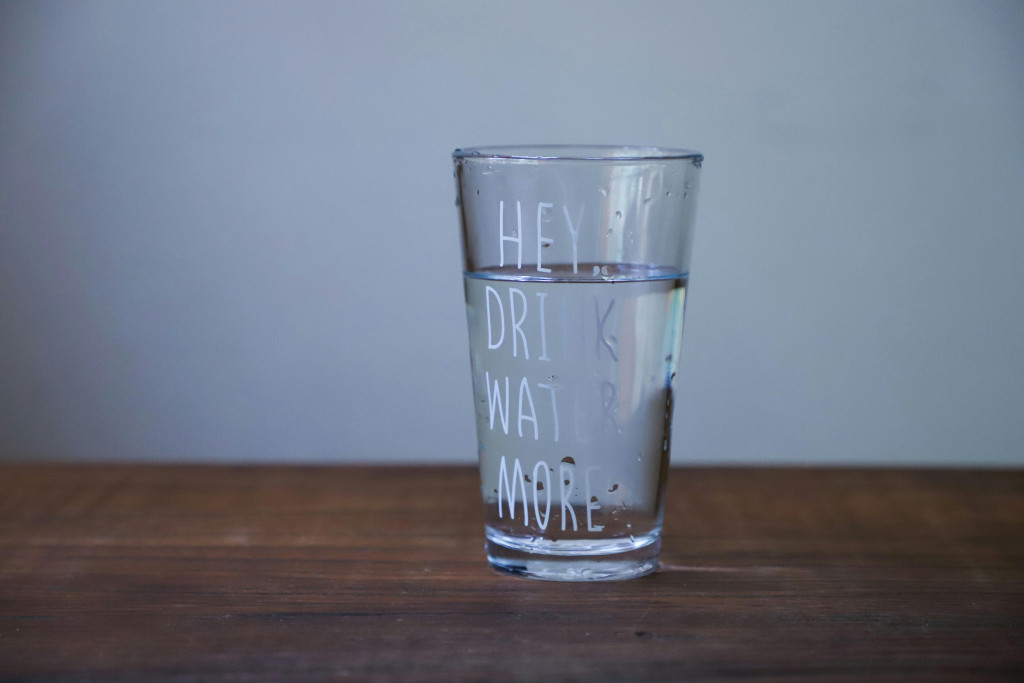
Aim for 1.5–2 litres of water daily, but avoid drinking large amounts at once. Reducing fluid intake in the evening can help minimise nighttime trips to the bathroom.
Limit bladder irritants
Caffeine, alcohol, and diet drinks can worsen symptoms. Keeping intake moderate can make a noticeable difference.
Bladder training
Try urinating on a regular schedule (every 2–3 hours) rather than “just in case,” which can reduce bladder capacity over time. When urgency strikes, pausing and using pelvic floor contractions can help suppress the urge.
Pelvic floor exercises
Kegel exercises strengthen the muscles that control urination and can reduce urgency and leakage.
Weight management
Excess weight is linked to increased pressure on the bladder and a higher risk of LUTS.
Voiding technique
Taking your time and, for some men, sitting while urinating can help empty the bladder more completely.
When to Seek Medical Advice
If symptoms persist or worsen, it’s important to consult a family doctor. They can assess the cause and recommend appropriate treatment, whether through lifestyle adjustments, medication, or specialist referral.
Seek medical attention promptly if you experience:
- Pain during urination
- Blood in the urine
- Unexplained weight loss
- Bone pain
- Numbness in the genital area or leg weakness
- Bedwetting
- Severe abdominal pain
The Bottom Line
LUTS is common, manageable and worth addressing. Paying attention to these symptoms — and acting on them early — can significantly improve quality of life. For many men, the first step is simply recognising that these changes aren’t something they have to live with.

Meet Dr. Abdelhak
While experienced across the full spectrum of general practice, Dr. Abdelhak has a special focus on preventative healthcare, men’s health, and lifestyle medicine, including sports and exercise medicine. He adopts a holistic and proactive approach, helping patients optimise their health through prevention, early intervention, and personalised treatment plans.

To learn more or to arrange a consultation, book an appointment with Dr Moussa Abdelhak at IMC Holland Village, by calling 6733 4440 or via our website www.imc-healthcare.com
Discover more about health and wellbeing in Singapore here