Tuckerbox: Korean Capers
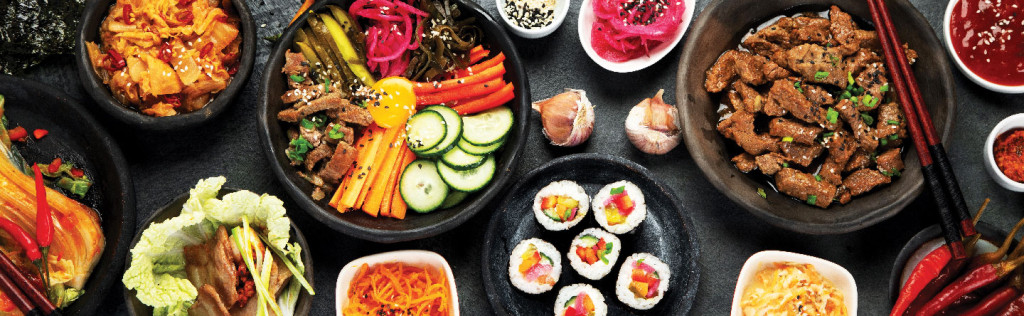
Living in Singapore enables us to travel to other countries with relative ease, exploring a plethora of cultures, sights, and tastes. A flight of approximately six and a half hours opens the door to South Korea, the ‘Land of the Morning Calm’, with its long history, unique social mores, and natural beauty, including the vibrant capital city of Seoul, the large port city of Busan, and Jeju Island, famous for its volcanic-soil tea plantations. Korean tea brand Osulloc, with appealing aromas and infusions, are a personal favourite. The nine provinces of the Republic of Korea, with its population of about 52 million people, embrace several religious faiths as well as renowned spicy culinary tastes. One of the most important festivals, on the 15th day of the eighth lunar month, takes place annually in September or October (6 October 2025). Chuseok, or Korean Thanksgiving, is when many people return to their hometowns to honour their ancestors, while savouring traditional fare including steamed, sweet, half-moon-shaped rice cakes.
AUTHENTIC TASTES
Korean cuisine is well-known for its spicy overtones of chillies, garlic and sesame. Various beans, meat (especially beef), seafood and seasonal vegetables are popular. Kimchi (fermented cabbage) is a side dish that is ubiquitous at almost every meal, as are white rice and soup. Dishes are generally shared at the table.
TRADITIONAL FARE
Aside from the national dish kimchi, bibimbap and bulgogi are extremely popular. Nutritious bibimbap (mixed rice) is steamed rice made crisp by quick frying, crowned with sautéed vegetables, shredded meat, chilli paste and, optionally, egg, all well-balanced for maximum flavour. Barbecued, marinated bulgogi (fire meat), often do-it-yourself style in restaurants, is traditionally accompanied by salad and spicy dipping sauces. Noodles are also prominent, such as chilled soup bibim-naengmyeon buckwheat variety with shredded meat, egg and pear, plus a similar dish, bibim guksu, enjoyed hot.
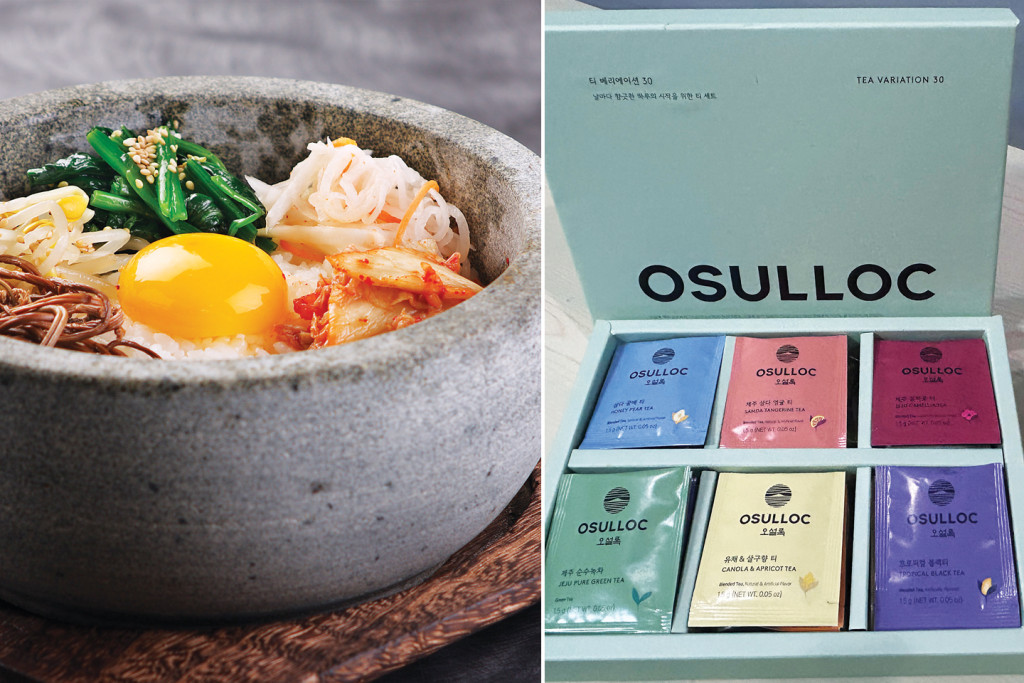
Photographs: Bibimbap courtesy of Creative Eateries; Korean tea courtesy of Ashley Ang
SWEETS, DRINKS, SNACKS
Desserts encompass seasonal local fruit like apples, cherries, melons, persimmons (the national fruit) and strawberries, fresh or cooked. Gim seaweed snack is crisp, delicate and healthy. Korean almonds enveloped in butter and honey provide a nutty richness when energy is needed. Try chilled local Cass lager, or soju (distilled liquor) with its well-known ‘strong’ reputation. Ginseng tea, green tea, coffee and lemon cider quench thirsts.
IN SINGAPORE
At Changi Airport’s Jewel, #02-243, Kko Kko Nara, the specialty is Korean comfort food, fried chicken. Bulgogi and kimchi pancake also appeal. In the west, Cheongsujeong Korean Kitchen, Jurong Point #03-34, Jurong West Central 2, offers kimchi beef and several varieties of colourful bibimbap. Business dinners at Pujim BBQ, 82 Amoy Street, include traditional barbecue items of juicy cuts of beef and pork, plus authentic Busan-style food like fresh seafood, noodles, and seafood pancake.
“Masitge Deu Seyo” (Bon Appetit).
Read more about food and drink in and around Asia here