The surf’s up story behind ANZA Nippers
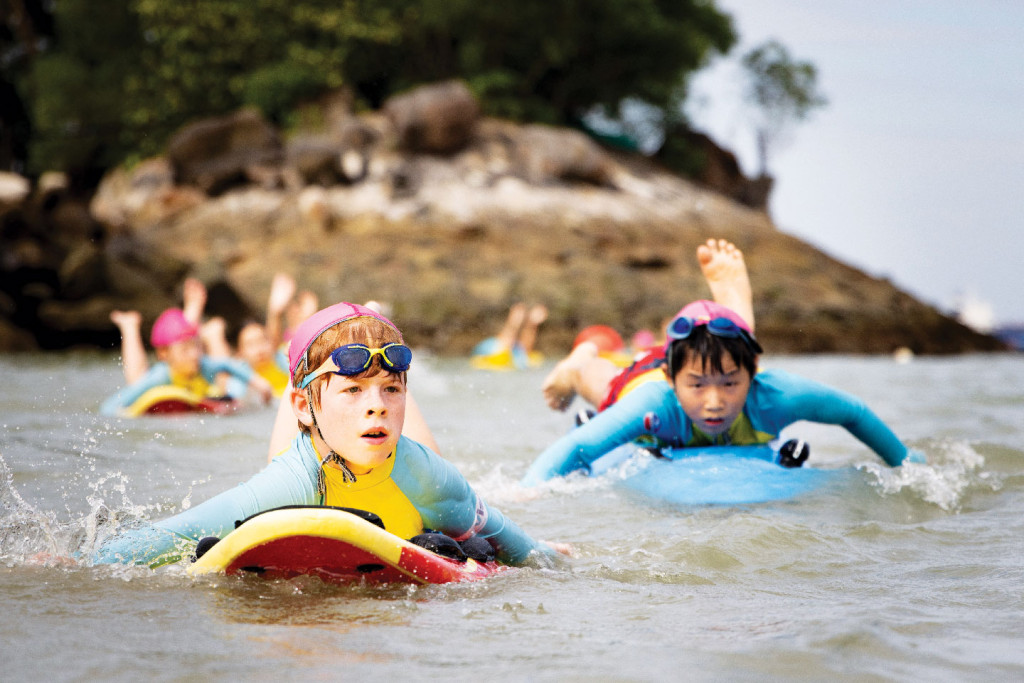
The legacy of surf lifesaving continues
The start of the new term in September saw over one hundred would-be ANZA Nippers join our regular crew to try it out, see if they liked it, and decide if it was something that might become part of their regular Sunday routine. The response has been excellent, and we now have a bigger-than-ever contingent joining us on the beach each Sunday. With such a big crew of new recruits on board, we took a step back and looked at how Nippers and the wider surf lifesaving movement first began.
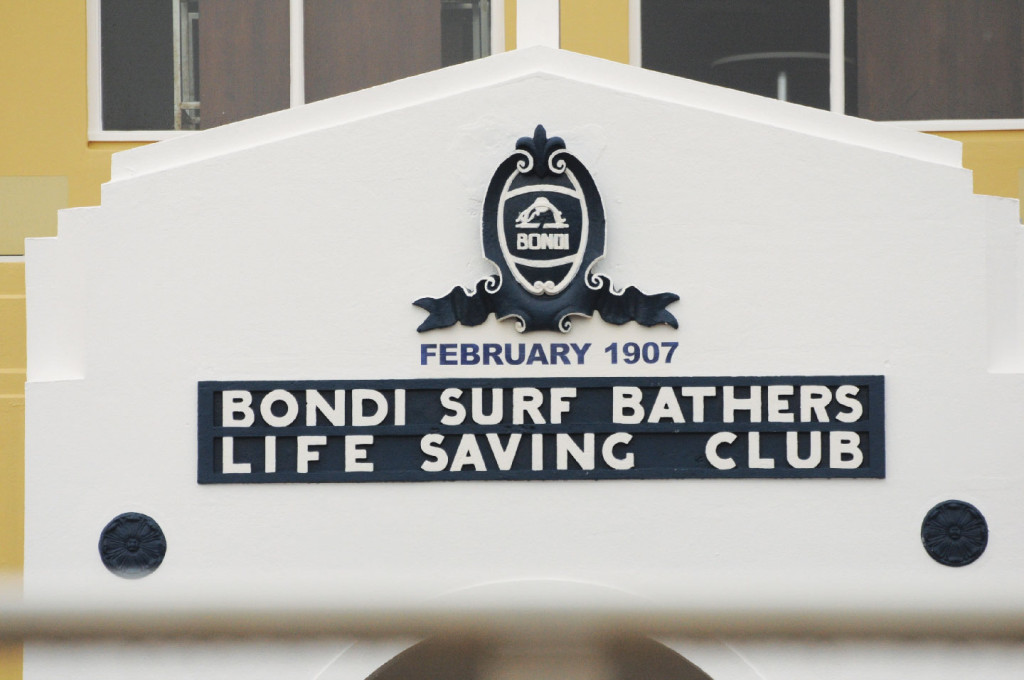
Bondi Beach launched the first organised surf club
The early days
It all started back in the early 20th century when it was illegal (under the Police Offences Act of 1838) to swim off Sydney’s beaches during daylight hours. As this rule was increasingly broken, and with most councils not enforcing the law and having little awareness of surf dangers, drownings and water-related incidents rose sharply. Something needed to be done, and since there were no formal organisations to protect the beach-going public in Oz, the community stepped in. Bondi Beach led the way in 1906 with the first organised surf lifesaving club. Its pioneering efforts soon became a national movement.
Formation & expansion
The success of the Bondi club inspired the formation of similar groups along Australia’s coastline. By 1907, clubs had sprung up all over Sydney’s beaches, including Manly, Coogee, and Maroubra. Each one operated independently, developing its own methods and techniques for lifesaving. In the same year, the New South Wales Surf Bathing Association was established to provide a unified framework for these clubs. This organisation, later renamed Surf Life Saving Australia (SLSA), standardised training, protocols, and equipment, facilitating a more coordinated and effective approach to surf lifesaving.
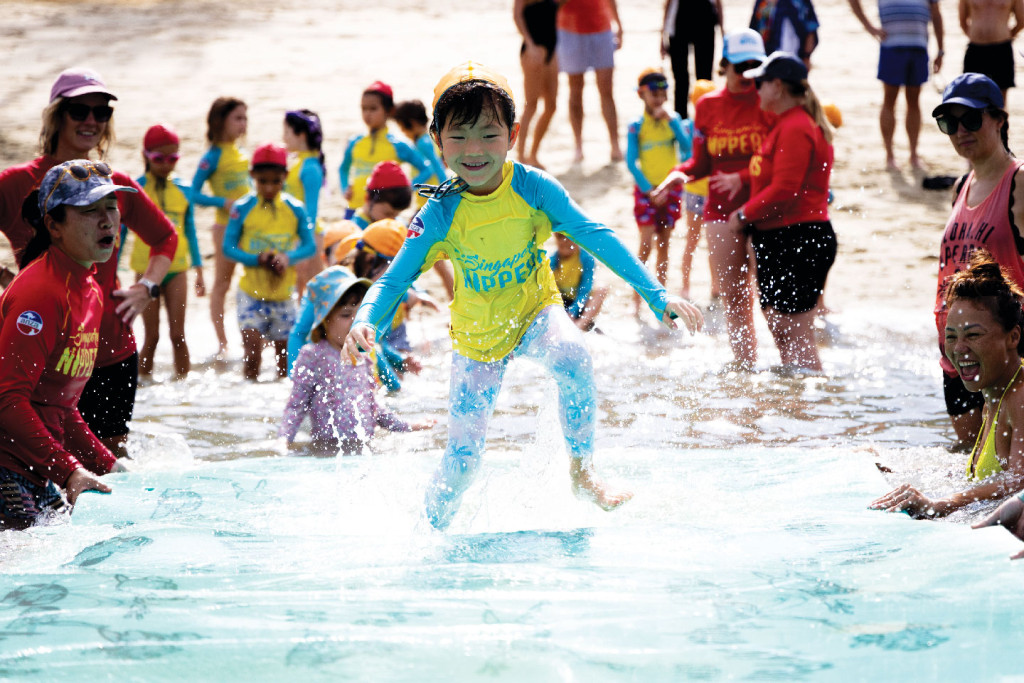
Valuable community
The outbreak of World War I and later World War II temporarily halted the expansion of surf lifesaving clubs, as many volunteers enlisted in the armed forces. However, in both instances, the post-war period saw a resurgence of interest in surf lifesaving. There was also significant progress in techniques and equipment influenced by military technology and training.
The clubs also created a valuable community for returning soldiers. Between the wars, as increasing numbers of clubs cropped up, they introduced competitive surf carnivals featuring events like surf races, rescues, and beach sprints, which helped to raise the profile of the mission. These competitions not only showcased the skills of lifesavers, but also fostered a sense of camaraderie and healthy rivalry among the clubs.
With an increase in quality of life and leisure time, and a growing fascination with beach culture, the 1950s and 1960s saw a boom in Nippers’ membership. This period also welcomed the introduction of more sophisticated lifesaving equipment, such as inflatable rescue boats (IRBs) and improved resuscitation techniques.
Surf lifesaving clubs also became more inclusive. Initially, membership was predominantly male, but the 1980s and 1990s saw increasing participation from women and children. The establishment of Nippers programmes, like our ANZA Nippers programme taking place in Singapore today, was designed to teach young children rescue techniques and ocean awareness, and to ensure that the legacy of surf lifesaving would continue for future generations.
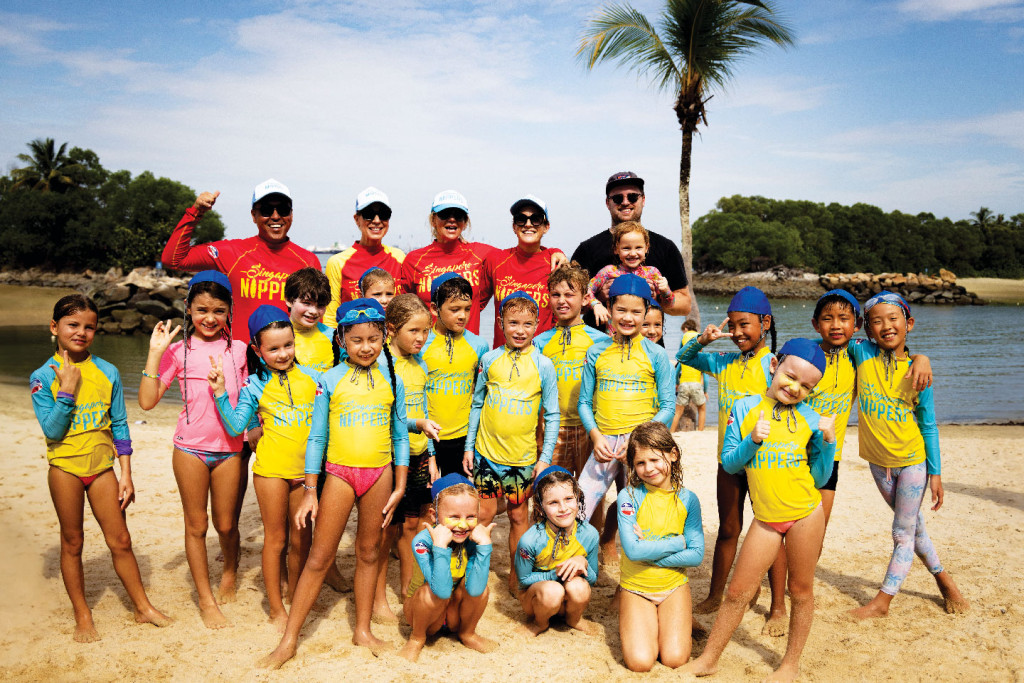
Core drive
Today, there are over 300 surf lifesaving clubs and around 180,000 members across Australia. The core drive of saving lives remains unchanged, but the methods and challenges have evolved to include drones and sophisticated communication systems. In addition to their primary role of providing beach safety, the clubs continue to be deeply involved in local community activities, and are a strong representation of the nation’s deep connection to its coastline and the enduring spirit of volunteerism. Indeed, they’re a true reflection of ANZA Singapore!
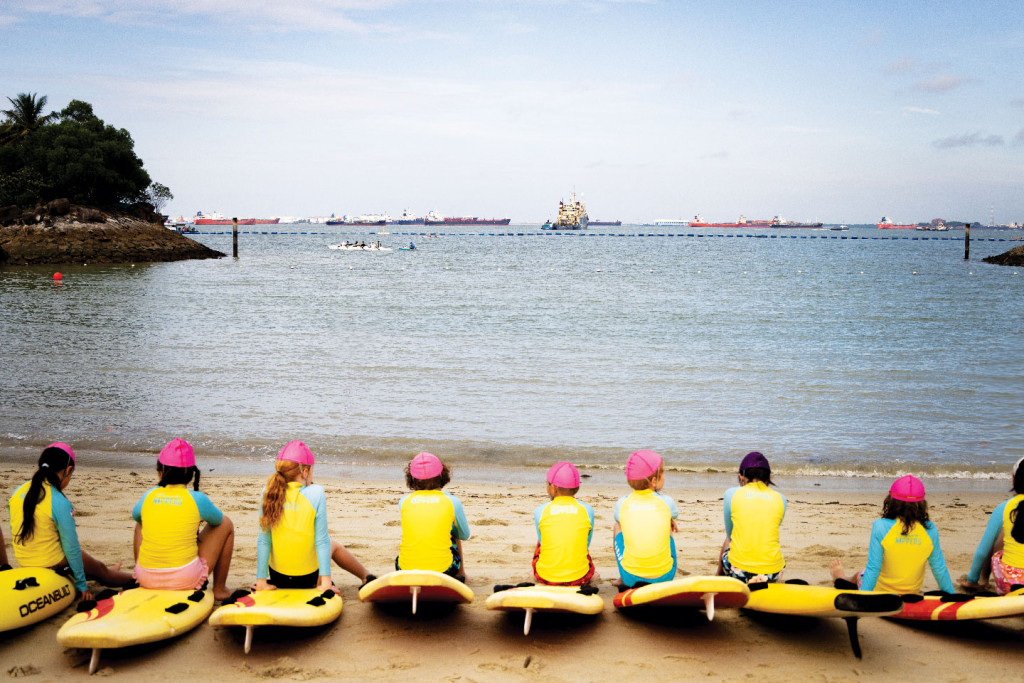
Kids learn rescue techniques and ocean awareness
To find out more and get involved, head to anza.org.sg/sports/nippers.