From holidays to homework: Managing the school transition
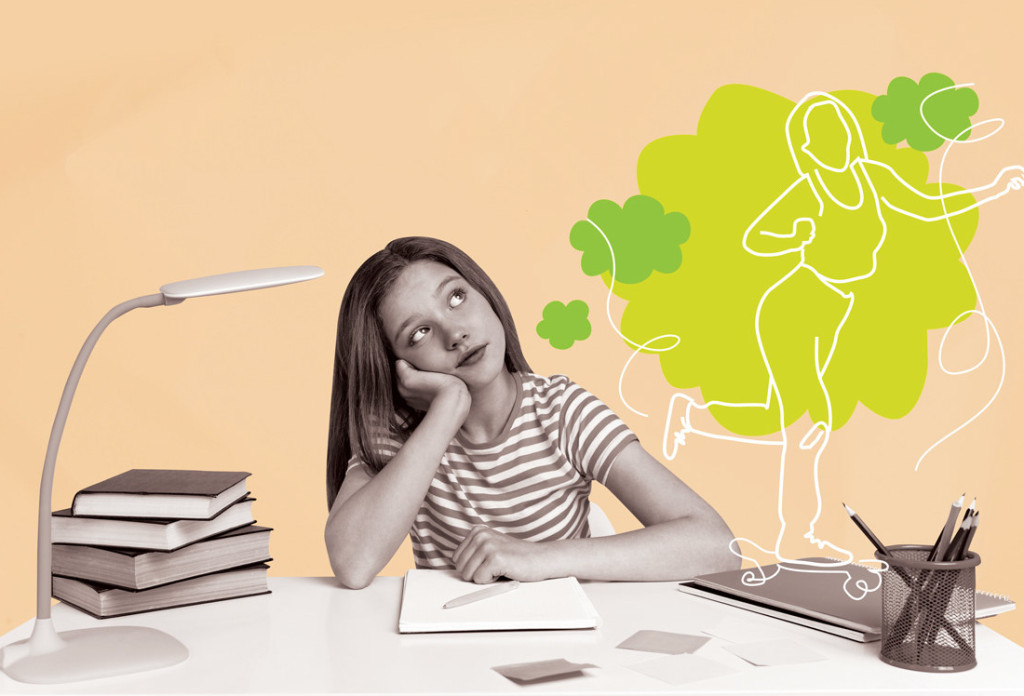 The festive fizz has flattened, the wrapping paper’s long gone, and the “just one more sleep-in” excuses are wearing thin. After time away from the usual routine, the start of a new school year can hit hard. For many families, January in Singapore feels like a cold shower of reality, except it’s 30 degrees outside and you’re sweating over a missing shoe before breakfast.
The post-holiday transition isn’t easy. Children are suddenly shifting gears from unstructured freedom and extended fun time to timetables and textbooks, while parents juggle Smartcards and CCAs. But according to Kavitha Manokaran, Senior Clinical Psychologist at International Medical Clinic (imc-healthcare.com), the back-to-school blues are standard on the red dot, and a few savvy strategies can get all family members back into the swing of things.
“Many children experience a mix of emotions when a new term starts,” says Kavitha. “It’s common for them to worry about losing old friends, making new ones, or maintaining existing friendships.” Peer pressure, fitting in with classmates, and anxiety about new teachers or subjects can also weigh heavily on young minds. These feelings often show up in subtle ways. Kavitha notes that increased mood swings, especially when school is mentioned, can be one of the first signs. “You might notice your child expressing lots of ‘what if’ questions, like ‘What if my teacher doesn’t like me?’ or ‘What if I can’t do the work?’” she explains. Behavioural changes on Sunday evenings such as trouble sleeping, sudden clinginess, or even pretending to feel unwell, can also be clues that nerves are setting in. Rather than dismissing these worries, she encourages parents to validate them. “Acknowledging that school can feel stressful helps children feel seen and supported,” she says. “Avoid forcing the conversation. Let them open up when they’re ready.”
Keep things calm
After any time off, getting back into a routine can feel like herding cats, but structure is one of the most powerful tools for easing anxiety. “A consistent morning routine sets the tone for the day,” says Kavitha. “Keep things calm and practical to avoid that mad rush out the door.” Visual schedules can help children – and parents – know what’s coming next, and preparing as much as possible the night before makes mornings smoother. “Pack bags, finish homework, lay out uniforms, and remind your child how they’re getting to school. The fewer decisions you have to make in the morning, the easier it is for everyone.” After school, she suggests building in time for children to unwind before tackling homework, followed by playdates or downtime to bring some balance back into the day.
Don’t dismiss the power of small rituals which can make a surprisingly big difference too. “Offer only one or two choices for breakfast,” says Kavitha. “It prevents decision fatigue for children and keeps mornings manageable for parents.” Over time, these tiny tweaks create predictability and calm – something children thrive on, especially after the loose structure of the holidays.”
Of course, it’s not just children who feel the strain. “Parents often underestimate how much their own stress can rub off on kids,” Kavitha points out. She recommends familiarising yourself with your child’s timetable so you feel more in control, and sorting out practicalities like transportation and emergency contacts early. Just as importantly, she reminds parents to take care of themselves. “You can’t pour from an empty cup,” she says, adding, “When parents look after their own wellbeing, they’re better able to support their children.” Even small acts of self-care, like a quiet coffee, a short walk, or getting enough rest, can help you to stay cool and feel in control throughout the school-year juggle.
Celebrate progress
For younger children or anyone starting at a new school, a little preparation can go a long way. “If it’s their first time at school, take the route together and visit beforehand,” suggests Kavitha. “This will help make the unfamiliar feel familiar.” Once term begins, she encourages parents to normalise mixed emotions. “It’s perfectly okay for children to feel excited one moment and nervous the next.” Asking open-ended questions such as “What was tricky today?” or “What was fun today?” tends to invite more honest answers than the classic “How was school?”. And conversations, she adds, often flow better in casual moments, for example during car rides, cooking, or walking together, rather than face-to-face at the dining table.
As the new term gathers pace and the excitement fades, it helps to keep spirits high by celebrating progress. “Remind your child of the activities they’ve enjoyed and continue to enjoy,” Kavitha advises. “Highlight their efforts, celebrate small milestones along the way, and recognise that growth helps keep enthusiasm alive.” She also stresses the importance of rest for children. “As the term goes on, demands increase. Regular downtime and playtime are essential to help children recharge and maintain their energy levels.”
Ultimately, the key to surviving the transition between holidays and a new school term isn’t about snapping back into routine overnight but easing in gently. So if your mornings feel messy, your schedule’s all over the shop, or your child’s enthusiasm is waning, take heart. The goal isn’t perfection, it’s improvement. With a little preparation, calm communication, and plenty of compassion, the new year can begin not with a bang, but with a beautifully balanced stride.
Find more life advice from ANZA here