The gut + brain connection: What it is & how it works
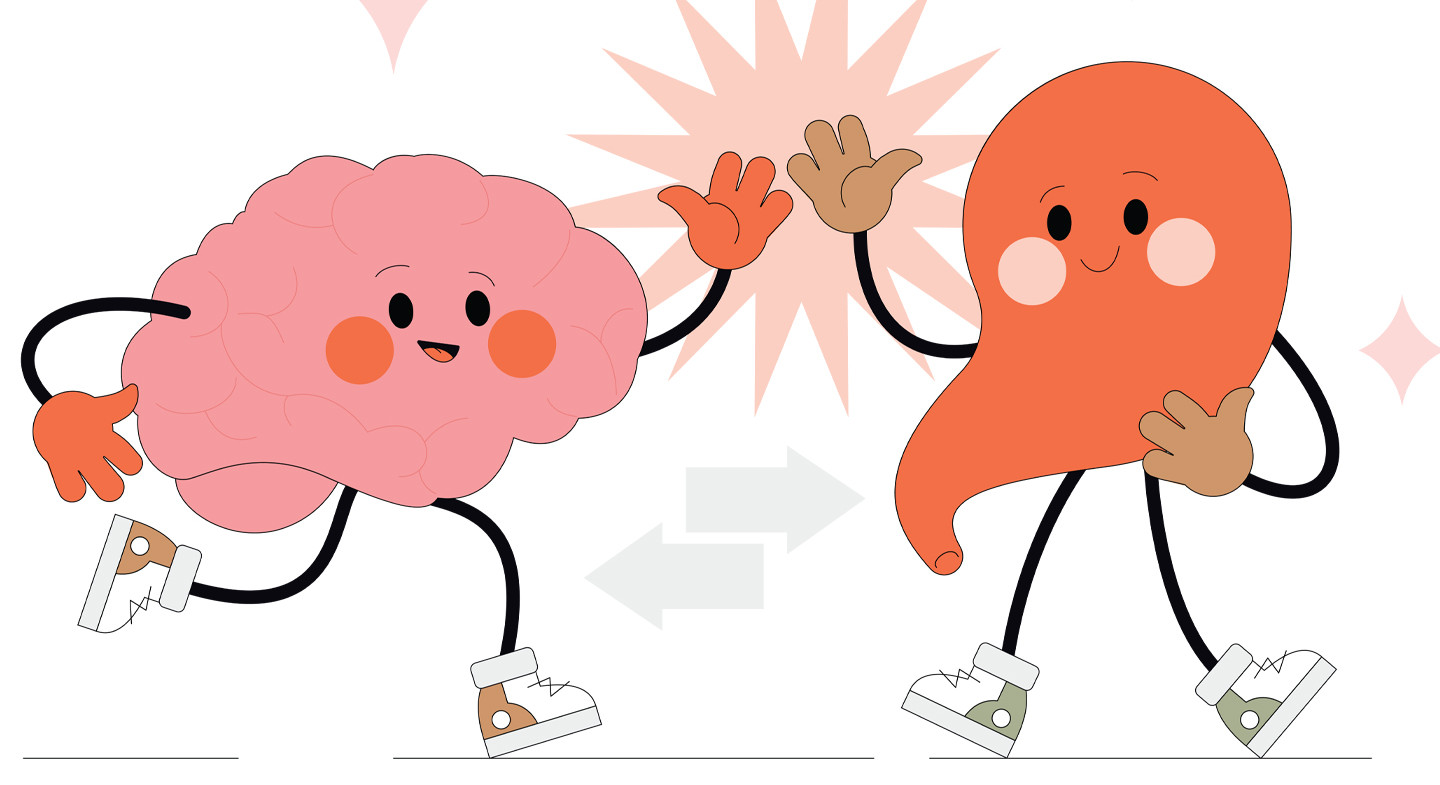 As humans, we can have a complicated relationship with our stomachs. Beyond its fundamental role as a repository for everything we consume, it’s the thing we curse when it feels unbalanced, prod in the changing room mirror (just us?), and blame when we’ve had one slice of pizza too many. But beyond aesthetics and appetite, our gut is constantly working behind the scenes, sending signals between body and mind.
Long before we consciously register stress, excitement or dread, our stomach reacts. We get butterflies before a presentation, a knotty feeling during conflict, or a sudden need to dash to the loo while awaiting big news. It helps us to regulate immunity, hormones, mood and even resilience, all the while producing the majority of our serotonin (the “happiness hormone”). It’s no wonder that the gut is often referred to as our “second brain.”
Yet for something that does so much heavy lifting for our health, many of us fail to give our gut the care it deserves. Seeing as its health is essential in boosting our physical and mental wellbeing, we unpack the belly-brain connection with Jessica Woodruff, Certified Nutritionist & Functional Medicine Practitioner at New Leaf (newleaf.com.sg).
What do we mean when we talk about gut health?
We’re referring to the balance and diversity of microbes in the digestive tract; the bacteria, yeasts and other organisms that help us digest food, regulate immunity and produce neurotransmitters. Understanding this connection can empower you to take control of your health and feel more connected to your body. Psychologists are interested in this because the gut constantly communicates with the brain via neural, hormonal and immune pathways.
How real is the belly-brain connection?
The gut is often called the “second brain” because it contains over 500 million neurons in the enteric nervous system. It also produces key neurotransmitters, including about 95% of the body’s serotonin, as well as dopamine and GABA – all crucial for mood, anxiety regulation and cognition. The connection operates on multiple levels:
- Neural: Your gut and brain are in constant convos via a dedicated nerve pathway, and your gut does most of the talking
- Hormonal: A disrupted gut can spike cortisol and trigger your stress response. It also affects hunger hormones that influence your mood, motivation and ability to handle pressure
- Immunological: Gut bacteria talk directly to your immune system. When balance is lost, inflammation rises, knocking your mood and energy in the process
- Metabolic: Gut bacteria break down fibre into byproducts which influence brain chemistry, gently shaping your mood and resilience
What’s a common sign of a strong gut-brain interaction?
Irritable Bowel Syndrome (IBS) is common, affecting roughly 5 –10% of people worldwide. Symptoms such as bloating, abdominal pain, diarrhoea or constipation are closely linked to stress and emotional regulation. Nausea, cramps, urgency or “butterflies” are big signs of the nervous system sending emotional signals through the gut.
“Nausea and stomach cramps are the nervous system sending signals through the gut”
So we can literally feel stress in our stomach?
Absolutely. Stress activates the fight-or-flight response, releasing adrenaline and cortisol. This shifts blood flow and nervous system activity, directly influencing digestion. Butterflies before a presentation are normal and don’t necessarily signal a problem. However, when symptoms like vomiting, diarrhoea or persistent stomach upset disrupt daily life, psychological support can help unpack why the stress response is so intense. From a gut perspective, there could be an underlying imbalance and professional guidance can clarify this.
How can you tell if issues are down to lifestyle or menopause?
Symptoms rarely have a single cause. Even when one primary driver exists, such as anaemia causing fatigue and brain fog, other factors like stress, poor sleep or bloating may contribute. During menopause, gut symptoms often worsen due to hormonal shifts. Anxiety, disrupted sleep from hot flashes and mood changes can further intensify gut symptoms.
How does the food we eat influence our mental state?
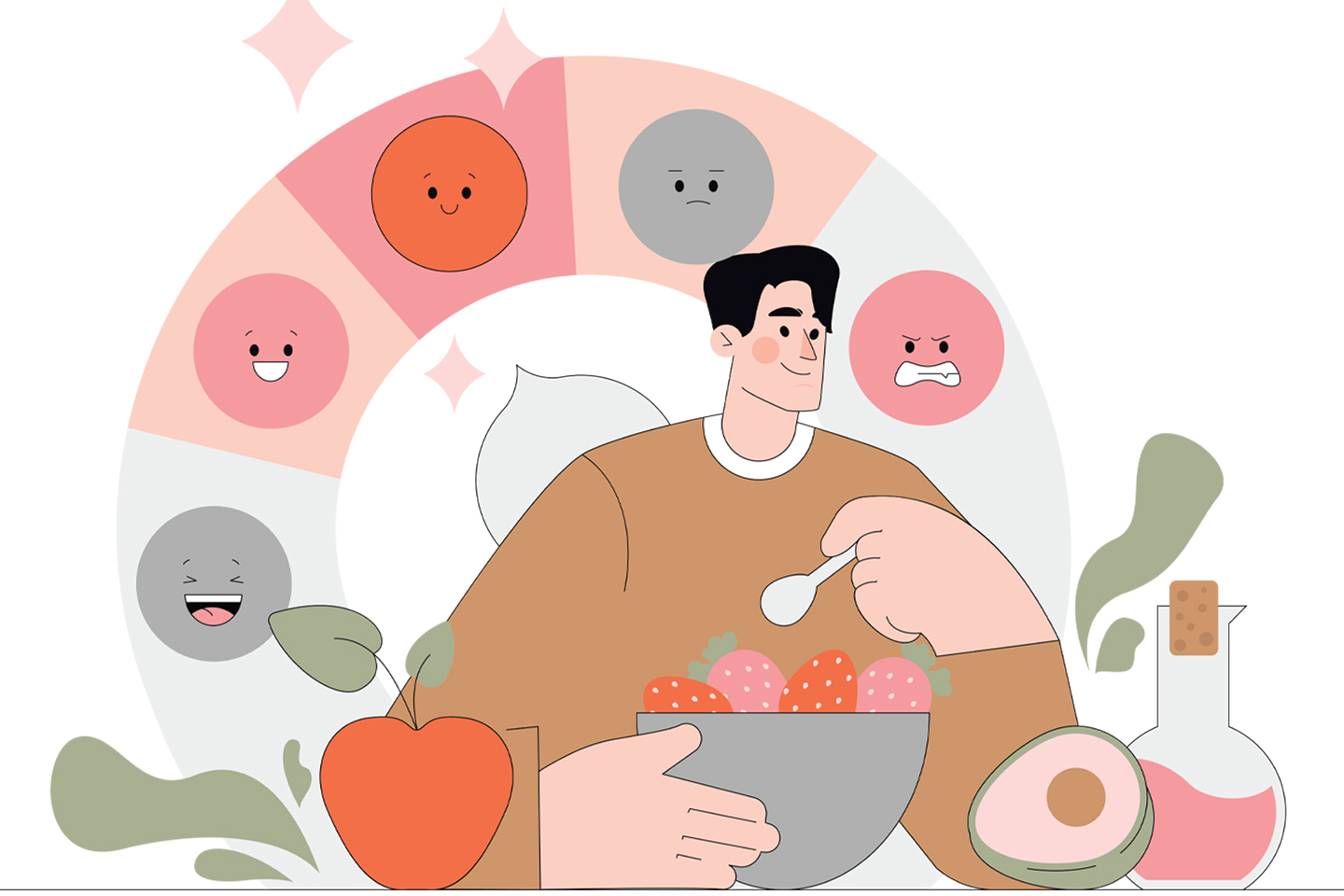
Food feeds the microbes that help produce neurotransmitters. A diet rich in fibre, vegetables, fruits, legumes, nuts, seeds, whole grains and fermented foods may promote a calmer mood, better stress tolerance and steadier energy. In contrast, excess added sugar, ultra-processed foods, alcohol and low fibre intake can increase inflammation and disrupt gut–brain signalling. That said, no single food determines gut health; it’s overall dietary patterns that matter the most.
Beyond food, how do sleep, movement and emotions affect gut function?
Lifestyle factors are foundational:
- Sleep: Allows the microbiome to repair. Consistently sleeping 7 – 8 hours supports gut health, hormone balance, weight regulation, muscle recovery and mental clarity
- Movement: Improves motility, reduces inflammation and increases beneficial bacteria. Sustainable habits matter most. Starting small – even 15 minutes of stretching or light resistance training – can build confidence and consistency
- Emotional regulation: Breathwork and meditation activate the parasympathetic nervous system – the state where digestion and healing occur

If someone’s gut feels “off”, where should they start?
It depends on medical history, symptom severity and duration. Common symptoms like bloating, diarrhoea or fatigue can reflect different conditions. If symptoms are mild, such as occasional bloating, foundational changes may come first: assessing diet, fibre intake, sleep, stress, bowel habits and nervous system regulation. Increasing fibre, reducing ultra-processed foods and supporting relaxation can make a difference. We often use the structured 5R approach:
- Remove Reduce triggers, harmful bacteria or imbalances
- Replace Support digestion with enzymes, stomach acid or bile if needed
- Reinoculate Rebuild with fibre-rich foods and probiotics
- Repair Support your gut lining with nutrients such as zinc, L-glutamine and polyphenols
- Rebalance Address stress, sleep, movement, mindset and meal rhythm
How can we learn to “trust our gut” better?
Listening to your gut means noticing patterns, not obsessing over every sensation. Pay attention to how you feel after meals, which foods digest well, and how stress affects your stomach with curiosity rather than fear. Trust is built through awareness, not hypervigilance. When you observe instead of over-analysing, you strengthen intuition without fuelling anxiety.
 Tummy Talk
Gut health is not about perfection. It’s about patterns, balance and supporting both the brain and body together. Start with small, consistent habits:
- Add a plant to every meal
- Slow down while eating
- Stay hydrated
- Keep a regular sleep rhythm
- Take post-meal walks
- Practise a few minutes of breathwork
- Reduce highly processed foods
Read more health and wellbeing features here