Is hanging out harder than it used to be?
Once upon a time, we could stay out till dawn, run on three hours’ sleep, and somehow still make it to brunch with friends the next day. Now? Just staying awake past 9pm feels like an achievement. It’s not just stamina that hits harder with age – so does something else we didn’t see coming: the simple art of hanging out with friends.
If you’ve found yourself longing to catch up but ghosting the group chat instead, we see you. Many of us crave connection yet talk ourselves out of it, blaming the kids, work, tiredness, or that increasingly-convincing voice that says, “Next week will be better.”
Thankfully, ANZA exists to make meeting like-minded people easy and effortless, whether you’re up for a walk, book club, or Ladies’ Night. All of our members are in the same boat, looking for real bonding and a sense of belonging, but why does it sometimes feel so hard to say yes, or even send that “Want to grab a swiftie?” text?
“It’s not just about having less time,” says Dr. Paula Barrios Sevillano, Counsellor at Alliance Counselling (alliancecounselling.com.sg). As we age, we also carry more emotional ‘baggage’. Past hurts, losses, or betrayals shape how safe we feel opening up to others. Friendship takes vulnerability, and vulnerability feels riskier as we grow up.”
In other words, it’s not just about juggling work deadlines, teenagers’ homework, or endless WhatsApping. It’s about our minds gently leaning towards comfort zones rather than fresh starts. We crave connection but fear the awkwardness. We want deep chats but get overwhelmed by the effort.
And while Covid is now a distant memory, its ghost lingers in how we socialise. “The pandemic interrupted our social rhythms,” explains Dr. Paula. “Many people never quite returned to their previous ways of connecting. We’re online more than ever – streaming, scrolling, texting – and often interacting through screens rather than face to face.” Add to this the fact that our social skills can get rusty. Continues Dr. Paula, “They’re like muscles. When we don’t use them for a while, they can feel stiff or out of shape.”

ANZA ladies & gents night at Highlander
Light connections
The good news? Hanging out doesn’t have to be a grand production. Some of the best connections come from just doing … nothing much at all. “Spending time with others without a set plan can be surprisingly meaningful,” says Dr. Paula. “Hanging out in a relaxed way allows space for creativity, playfulness, and authentic rapport. Sometimes, just being present is enough.”
She highlights that those little everyday moments – a nod at a gym buddy, a chat with the kopi guy – are pure gold for our mental health. “These ‘light connections’ lift our mood and give us brief but meaningful moments of belonging,” Dr. Paula says. “They help regulate our nervous system and ease feelings of disconnection. From a cognitive standpoint, regular social interaction keeps the brain active – it’s even used in dementia prevention programmes.” These tiny threads stitch us to the places we live, particularly in a transient community like Singapore. They remind you that you’re not just passing through – you actually belong here.
But where to begin? Start small and let the pressure disperse. “Say hello. Stay five more minutes. Ask a simple question,” Dr. Paula suggests. Plug into something that does the heavy lifting for you, like joining ANZA’s activity groups, tours, or events where everything is already set up for you. “These low-pressure ways to bond provide an excuse to be around people without needing to push for instant closeness,” she says. And while you may feel that you have all the mates you need back in your home country, digital friendships have their place, but they can’t fully replace the joy of real-world moments. “They’re heartfelt but don’t fully replace in-person contact. Touch, body language, and co-presence affect our emotional regulation. Real-world interaction is grounding,” shares Dr. Paula.
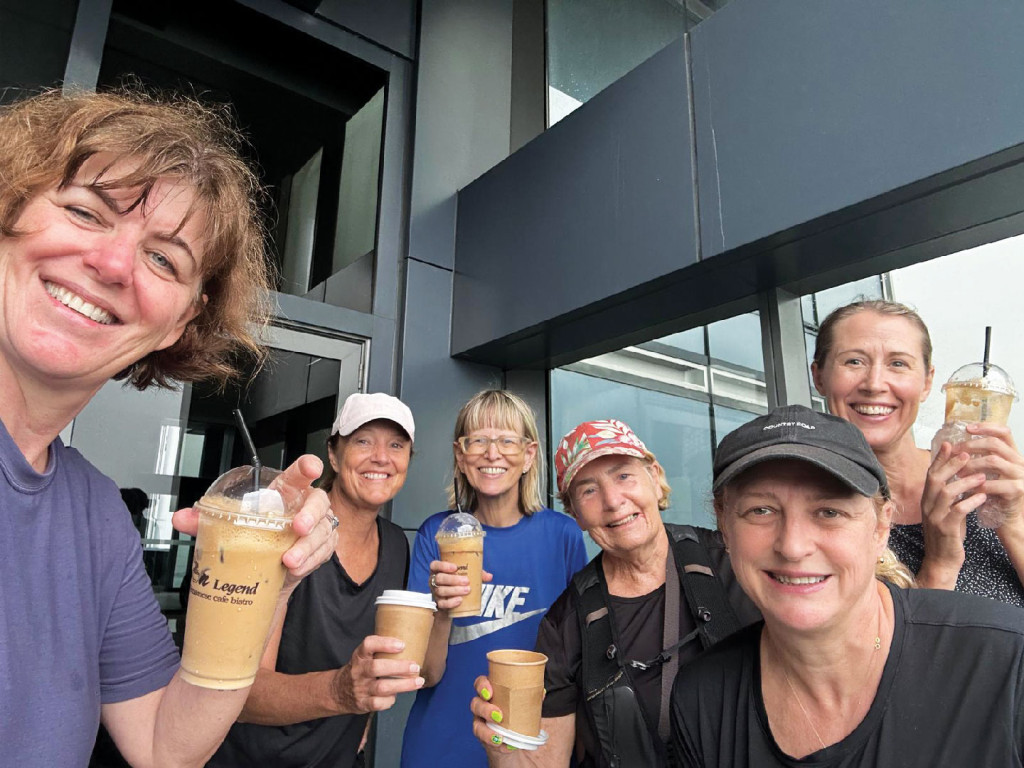
ANZA Kill-o-Metres
If you’re wondering whether you need to exercise your social muscles more, watch for some signs. “Being alone can be healthy and nourishing, but loneliness carries a quiet longing, a sense that something’s missing,” warns Dr. Paula. Endless scrolling, daydreaming about how things used to be, or quietly wishing someone would “insist” you join in are all gentle nudges that your social life might need a boost. And remember – friendships shift as we age, and expats can really feel the pain. Mates can become like family when your real one is far away, and the goodbyes can sting. “People leave. The constant rotation makes it harder to let ourselves integrate deeply again. It’s normal to feel both connected and guarded at the same time,” says Dr. Paula.
So give yourself permission to reach out – badly, awkwardly, imperfectly. One small “yes” at a time. Join the next ANZA social gathering, message that new friend back, and trust that those warm, ordinary moments in life are exactly where the best connections form.
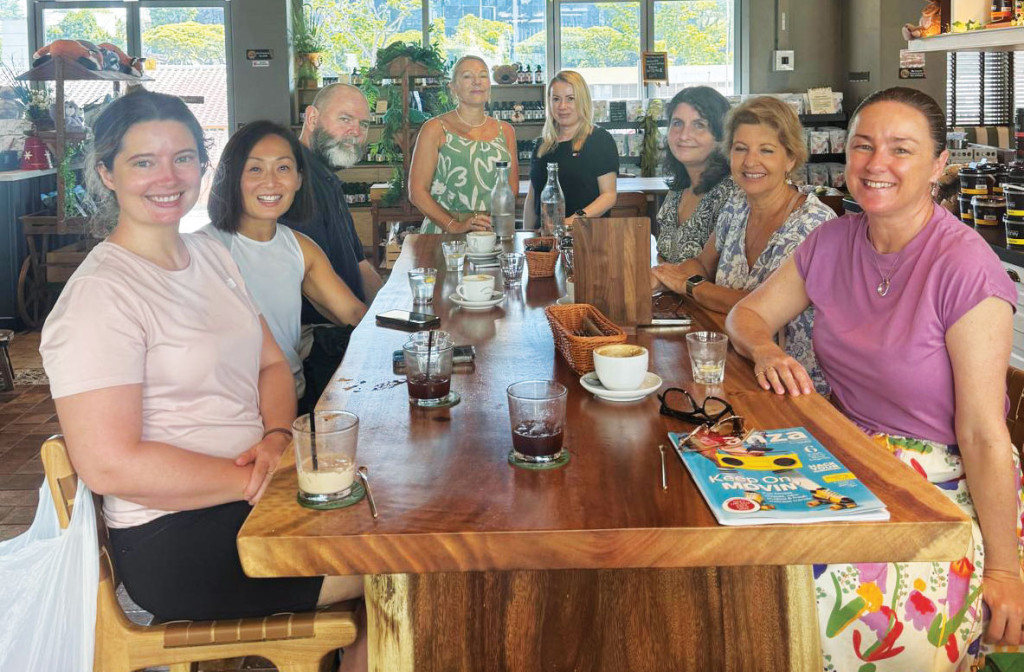
ANZA Casual Coffee.
Reframing Friendships
You don’t need to be the most confident person in the room. Small steps and genuine interest matter more than big gestures.
- Start low-pressure
Join an ANZA group, sign up for a workshop, or invite someone for a chilled walk or coffee - Remember that connection is human
Wanting to bond isn’t neediness, it’s healthy behaviour - Take your time
Trust grows gradually, you don’t need deep talks on day one - Maintain healthy boundaries
Share bits of yourself, no pressure to spill all at once - Most people hope you’ll make the first move
Your message might be exactly what they’re waiting for - Ditch the “perfect friend” myth
No one meets every need, and they’re not meant to - Think “friends for …”
… sports, deep chats, city adventures, or parenting chats - Build routines
A regular activity or lunch date keeps connection easy
Craving connection and not an ANZA member? Sign up here!