The signs of eating disorders in children & adolescents
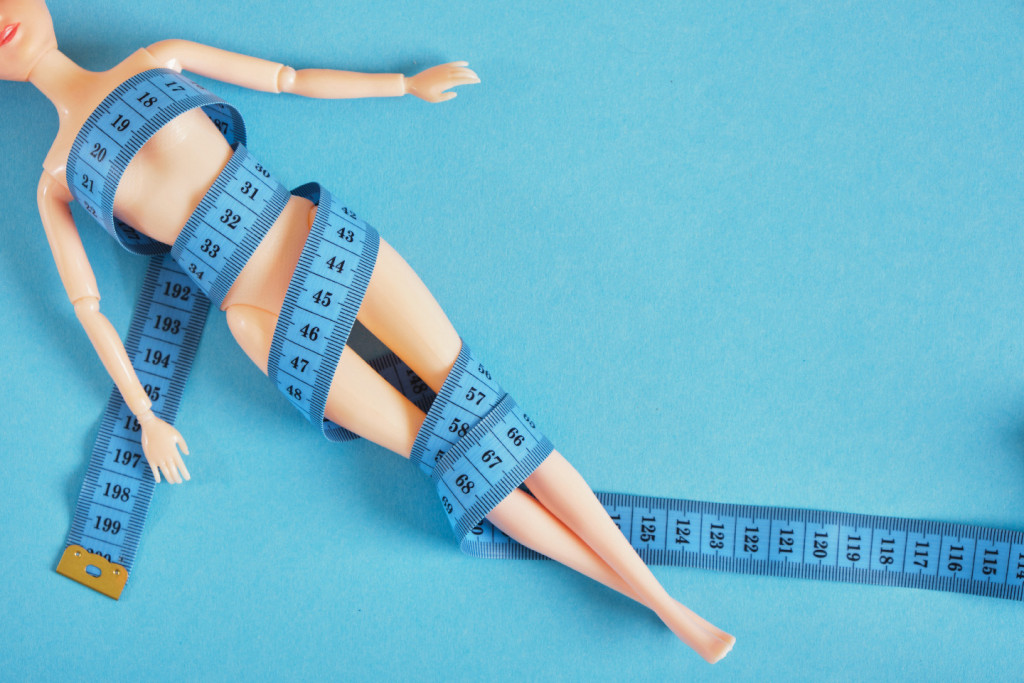
As parents, we all want our children to have a healthy relationship with food, but sometimes the signs of an eating disorder can be subtle and easy to miss. Dr. Gina Dahel at Osler Heath highlights what to be aware of.
Q What exactly are eating disorders?
An eating disorder involves persistent disturbances in eating behaviours, together with disordered thoughts about body image, food, weight, or body shape. They most often begin in adolescence or young adulthood, and often co-exist with other mental health conditions, such as mood disorders, anxiety, or obsessive-compulsive disorder. Worryingly, the number of people affected is increasing year on year.
TYPES OF EATING DISORDERS:
- Anorexia nervosa A significant and persistent reduction in food intake, exercising excessively, or both
- Bulimia nervosa Episodes of losing control over eating (‘binges’) in which large amounts of food are consumed in a short period of time. This is followed by considerable attempts to avoid weight gain, such as vomiting, excessive exercise, or misuse of laxatives
Binge eating disorder (BED) Repeated episodes of losing control and eating excessive amounts of food, leading to intense feelings of guilt or shame - Other specified feeding or eating disorders (OSFED) The most common type of eating disorder, describing disturbed eating and disordered thoughts about food, body image, or weight that do not fit the above definitions. Eating disorders are complex involving genetic, psychological, and environmental factors
Q What should parents look out for?
Early recognition and support are key. Some warning signs include:
- Changes in eating habits
- Lying about food intake or weight
- Refusing to eat with others
- Skipping meals or drastically reducing portion sizes
- Developing rituals around food, such as cutting it into tiny pieces or suddenly excluding major food groups
- Eating large amounts very quickly
- Going to the bathroom immediately after eating
PHYSICAL CHANGES
- Dramatic weight loss
- Dramatic weight gain
- Fatigue, dizziness, or fainting
- Dry skin, brittle hair, or feeling unusually cold
- Irregular or absent periods (amenorrhoea)in girls
EMOTIONAL & BEHAVIOURAL CHANGES
- Excessive exercise
- Preoccupation with weight, body shape, or calories
- Social withdrawal
- Mood changes such as irritability, low mood, anxiety, or compulsive behaviours
Q How can I get help for my child?
It can be difficult to persuade someone they need help, especially if your child doesn’t recognise there’s a problem. They may deny or become defensive about their eating behaviours and weight. Research shows that early intervention leads to quicker and more effective recovery, so recognising the signs and seeking assistance is vital. If you’re concerned, speak to a medical doctor specialising in child and adolescent health. They can assess your child, rule out any physical issues, and refer you to the right specialists if needed. A multidisciplinary approach addressing both physical and mental health usually works best.
Eating disorders are serious but can be successfully treated with timely management and support. If you suspect your child is struggling, do not wait for things to escalate – seek medical help without delay.

Dr Gina Dahel is a Children and Adolescent Doctor based at Osler’s Star Vista clinic. She has supported many families with teenage eating concerns.
osler-health.com

Learn more about health and wellbeing in our Life In Singapore section