Your child has a rash – now what?
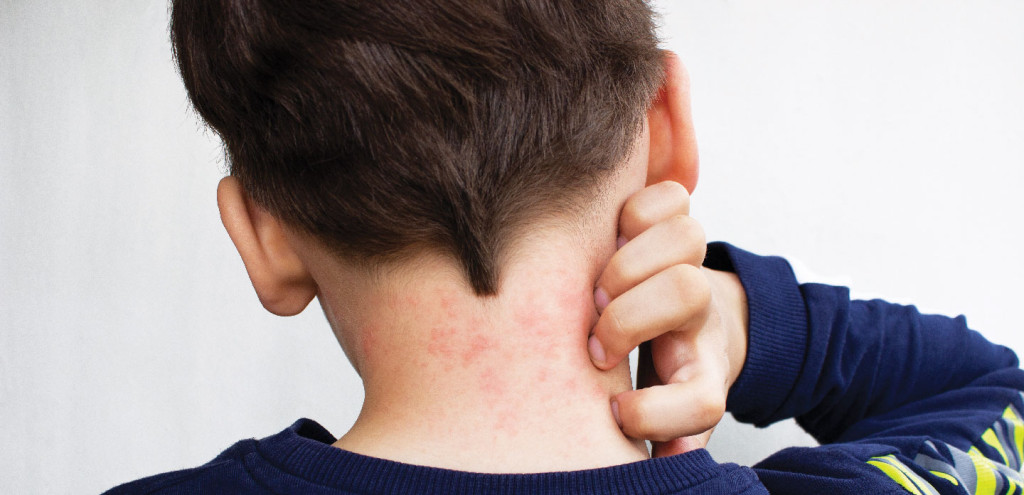 Almost every parent will notice a rash on their child’s skin at some point. When this happens, it’s natural to worry. The reassuring news is that most childhood rashes are common, mild, and temporary. They’re often caused by irritation, allergies, or everyday infections, and most clear up with simple care. While you can’t make your child immune to a rash, understanding what’s behind it can help parents feel more confident about when to watch and wait, and when to call the doctor for help.
 Dermatitis means inflammation of the skin and is one of the most frequent reasons children develop rashes. Nappy dermatitis is especially common in babies. It happens when moisture and friction irritate delicate skin. Frequent nappy changes, gentle cleaning, and protective barrier creams – such as those containing zinc oxide – can make a big difference. If a nappy rash doesn’t improve or seems to worsen, your paediatrician can check for a yeast infection and recommend treatment.
Atopic dermatitis (eczema) often shows up as dry, itchy, irritated skin on the face, elbows, or knees. Children with eczema have more sensitive skin that reacts easily to soaps, heat, fabrics, and even stress. Daily moisturising with fragrance-free creams helps protect the skin barrier. During flare-ups, prescription creams may be needed. Keeping nails trimmed and discouraging scratching can also help prevent infections.
Contact dermatitis occurs when the skin touches something irritating or allergenic, such as certain soaps, fragrances, or poison ivy. The rash is usually itchy and limited to the area of contact. Avoiding the trigger and using soothing topical treatment or antihistamines can ease symptoms.
 Viruses are another very common cause of rashes in children. Roseola typically starts with a high fever for a few days. Once the fever settles, a soft pink rash appears on the trunk of the body and fades quickly. Chickenpox causes itchy blisters that crust over within one to two weeks. Children are contagious until all the blisters have scabbed. Hand, foot, and mouth disease leads to painful mouth sores and rashes on the hands and feet, but usually improves within one to two weeks. Molluscum contagiosum causes small, flesh-coloured bumps that can linger for months. Although stubborn, it’s harmless and eventually clears on its own.
 Some rashes are caused by bacteria or fungi. Scarlet fever comes with a sandpaper-like rash and sore throat and needs antibiotic treatment. Impetigo causes crusted sores, often around the mouth and nose, while ringworm creates circular, scaly patches and responds well to antifungal medication.
When to call the doctor
Trust your instincts. Contact your paediatrician if a rash spreads quickly, looks severe, becomes painful or oozes, or if your child has a fever or seems unwell. Rashes are a normal part of growing up. With gentle care, good information, and support from your child’s doctor, most skin concerns can be managed easily, bringing comfort to your child and peace of mind to you.

Board certified by the American Board of Paediatrics, Dr Wibisano specialises in caring for newborns, children, and adolescents, and is based at the Children’s Clinic in Camden.
To book a consultation with Dr. Wibisano, schedule an appointment via the IMC Health app, call +65 6733 4440, or visit imc-healthcare.com