What’s the deal with creatine?
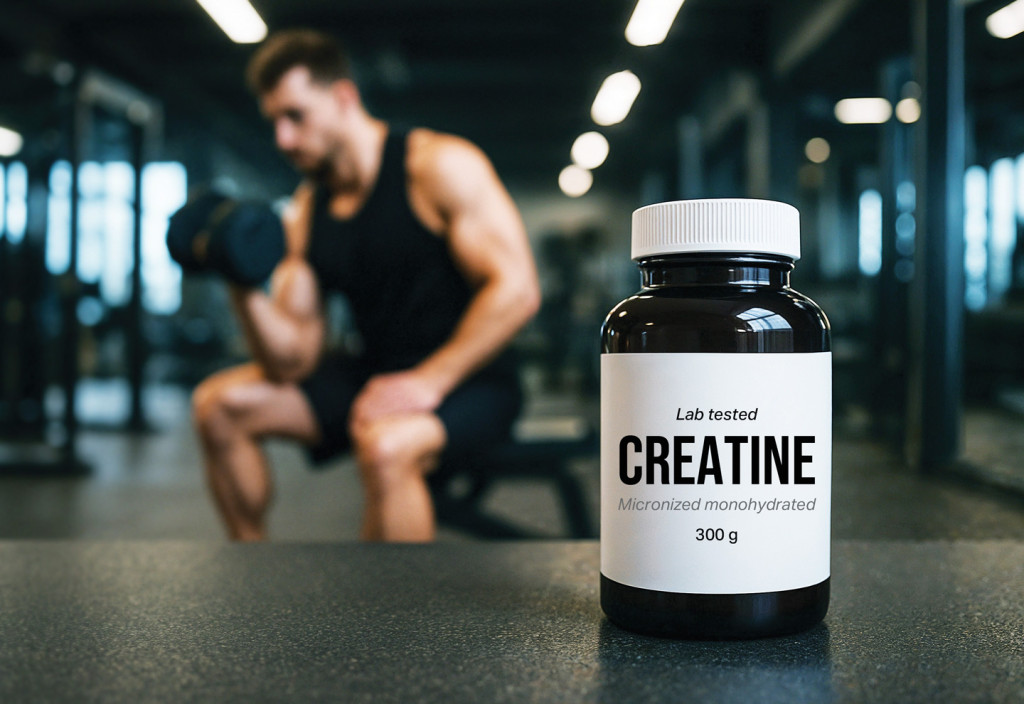 Creatine has long been associated with the world of gyms and bodybuilding. For years, it has been one of the most popular supplements used by athletes to improve strength and performance. But recently, creatine has begun appearing in a different conversation – one focused on healthy ageing and brain health. In clinic, I’m increasingly asked about creatine, not just by athletes, but by patients interested in maintaining muscle strength, supporting cognitive function and ageing well. The growing research around this supplement has made it a topic of curiosity for men and women well beyond the fitness community.
Energy for cells
Creatine is a naturally occurring compound stored mainly in our muscles and brain. Its primary role is to help produce adenosine triphosphate (ATP), the molecule that provides energy for our cells. You can think of ATP as the body’s rechargeable battery – creatine helps replenish that battery when our cells need quick bursts of energy.
Our bodies produce small amounts of creatine naturally, and we also obtain it through foods such as red meat and fish. Supplementation can increase the amount stored in the body, which is why athletes have used it for decades to support strength, muscle performance and recovery.
However, muscle is only part of the story. As we age, we naturally lose muscle mass and strength, a process known as sarcopenia. This decline can affect mobility, balance and independence over time. Some research indicates that when creatine supplementation is combined with resistance training, it may help older adults to maintain muscle strength and lean body mass more effectively.
“It may help adults maintain muscle strength and lean body mass”
Another area of growing interest is brain health. The brain is one of the most energy-demanding organs in the body, and creatine plays a role in supporting its energy metabolism. According to research, that supplementation may lead to small improvements in cognitive function, particularly in areas such as memory and processing speed. These effects appear to be most noticeable in older adults or during times when the brain is under increased metabolic stress, for example, during sleep deprivation or periods of intense mental workload. In younger, healthy individuals, however, the cognitive benefits appear smaller and less consistent.
Creatine has also been studied as a potential adjunct treatment for depression, although current evidence suggests the benefit is modest and more research is needed. At present, there is no strong evidence supporting its use for other psychiatric conditions.
Ageing well
Typical study doses range from 2 – 20 grams per day, although many people who supplement take around 3 – 5 grams daily. In healthy individuals, creatine is generally well tolerated, though some people may experience mild side effects such as bloating or digestive discomfort. Anyone with kidney disease or other significant medical conditions should speak with their doctor before considering supplementation.
While creatine is an interesting area of research, it’s important to remember that supplements are only one piece of the wellness puzzle. The foundations of healthy ageing remain reassuringly simple: regular exercise, balanced nutrition, quality sleep and good stress management.
Creatine highlights an intriguing link between muscle health, brain energy metabolism, and ageing, but it’s not a magic solution. Ultimately, ageing well isn’t just about living longer, it’s about maintaining strength, mobility and mental clarity for as long as possible.

Dr. Kym Chew is a Family Physician with over a decade of experience, specialising in holistic care, dermatology, and women’s health. She is based at IMC Camden.
To book a consultation with Dr. Chew, schedule an appointment via the IMC Health app, call +65 6733 4440, or visit imc-healthcare.com

Find out more about health and wellbeing in Singapore in our health section here
Read more about health and wellbeing in Singapore here