Raising kids between cultures in Singapore
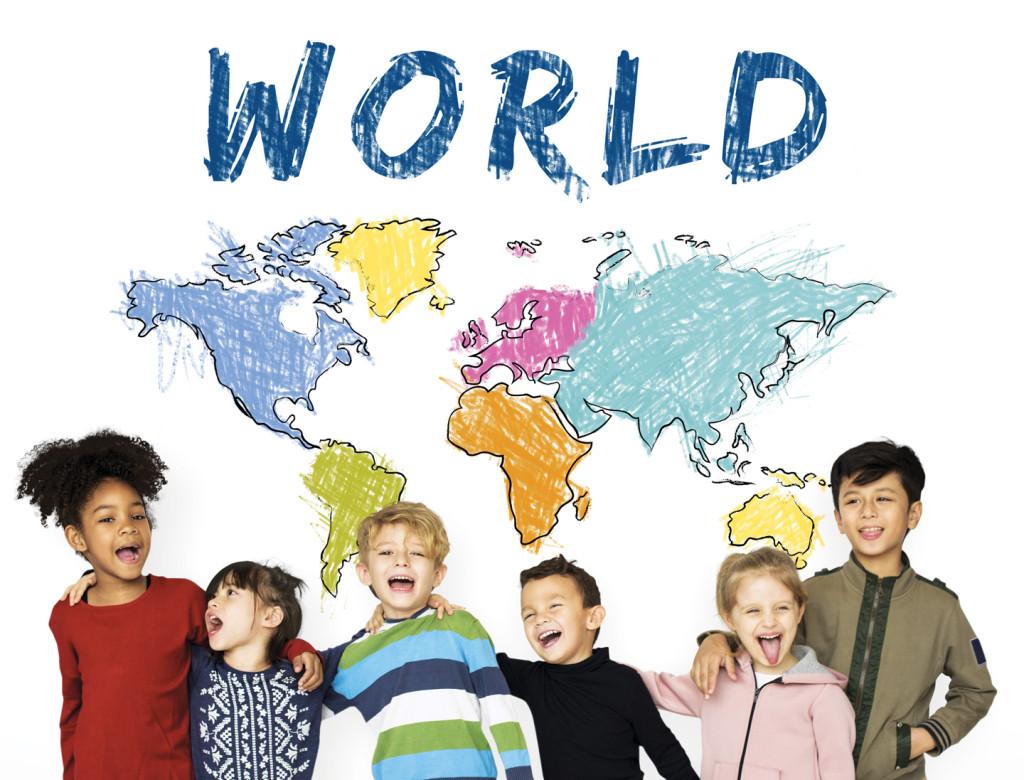
Singapore is home to thousands of expatriate families whose children grow up between cultures. These children are often known as Third Culture Kids (TCKs). Growing up internationally can be a wonderful experience. Children are exposed to different languages, perspectives and ways of life from an early age, but at the same time, many globally mobile children face emotional challenges that parents may not immediately recognise. Understanding these can help families support their children more effectively.
What is a Third Culture Kid?
A Third Culture Kid is a child who spends a significant part of their childhood living outside their parents’ passport country. Rather than identifying with just one culture, these children often develop a blended identity shaped by their parents’ culture, the host country and the international environment around them. In Singapore, this is especially common. With more than 90 international schools and around 60,000 international students, many children are growing up in highly multicultural settings.
Children raised across cultures often develop remarkable strengths. Many become adaptable, culturally aware and comfortable interacting with people from different backgrounds; they learn that there are many ways to see the world, which can nurture curiosity and flexible thinking. Friendships with peers from around the globe can also broaden their perspectives and help them feel at ease in international environments.
Hidden challenges
Alongside these benefits, Third Culture Kids can also face emotional complexities. A common challenge is a sense of belonging, with many children feeling connected to several places but not fully rooted in any one. When asked the simple question, “Where is home?”, the answer may not always feel clear. Frequent relocations can also mean repeated goodbyes and fragmented close friendships. For some children, this may present as sadness, anxiety, difficulty settling or a feeling of being “different” from others.
Parents can play an important role in helping children feel grounded. Creating stability at home, maintaining family traditions, celebrating cultural holidays and staying connected with extended family can strengthen a child’s sense of identity. Equally important is creating space for open conversations about belonging.
When extra support can help
Sometimes children benefit from speaking with someone outside the family who understands the experience of growing up between cultures. At The Counselling Place Singapore, our multilingual therapists regularly support international families and Third Culture Kids navigating identity, transitions and emotional wellbeing. If you’d like guidance on supporting your child in a globally mobile world, our team would be happy to help.
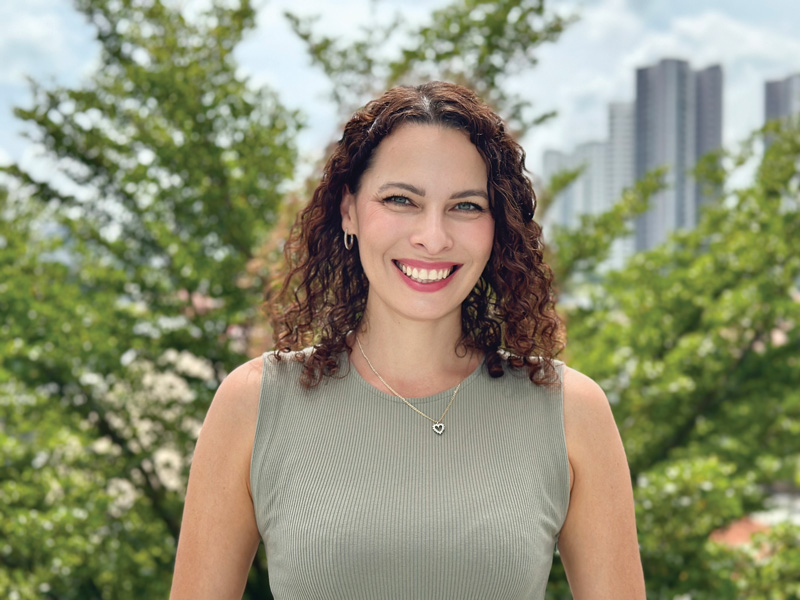 At The Counselling Place, we specialise in helping families and individuals in Singapore navigate life changes. Our newest team member, Ewelina, joins our diverse team of counsellors who together offer support across various approaches, disciplines and cultures. Whether you connect with Ewelina or another of our counsellors, you’ll find personalised and practical strategies tailored to expat life. Get in touch and you’ll take the step towards thriving in your Singapore journey.

Discover more about life in Singapore in our Insider’s Guide